Corporate Savannah

A nature documentary of office life

Corporate Savannah

Deep within the glass habitat of the modern office, a remarkable ecosystem thrives. Mugs gather at the watering hole. Lunches vanish from the cold white cavern. The lion arrives last, and eats first.

Narrated by Richard, who has never worked in an office and understands it completely.

Newest sighting · Episode 10

The Great Migration

After a season in scattered territories, the herd returns to the office, to sit side by side on the same call.

The episodes

Observed in the wild

Each film is a small field study of one office ritual. Under each, a few serious lines on what the herd is really doing.

Everyone's a Marketer

A new campaign stirs the undergrowth, and every department arrives with an opinion about the logo.

Field notes

Marketing is the one discipline everyone believes they could do, because everyone is a customer. That is exactly what makes it hard: the only audience that matters is the one you are not. Opinions are free and plentiful. Judgement is the job, and the most useful question in the room is the unfashionable one: who is this actually for?
The Watering Hole

At the communal watering hole, a tower of abandoned mugs rises with no architect and no owner.

Field notes

Shared spaces reveal a culture faster than any values slide. A kitchen full of mugs is not a hygiene problem; it is a small daily vote on whether anyone owns the commons. In my experience, teams that tidy up without being asked tend to deliver without being chased. The mug is a very small mirror.

The Missing Lunch

In the cold white cavern, provisions vanish, and the notes begin.

Field notes

Trust is built from small, boring things, like a labelled lunch surviving until noon. When the small promises fail, people stop talking and start writing notes. The passive-aggressive note is a leading indicator. The conversation it replaced is the thing worth having.

The Town Hall

The herd is summoned to the great clearing, where the values appear on the cliff face.

Field notes

Values are not what a company says at the town hall. They are what it tolerates at the watering hole afterwards. If the words on the screen never change a single decision, they are decoration. An honest test: name one thing your organisation stopped doing because of its values.

The Reorg

Tall grey birds arrive from the far side of the world, and the colony is rearranged.

Field notes

A reorganisation often changes the map when the problem is the terrain. Boxes and lines move in an afternoon; habits, incentives and relationships take years. Before redrawing the chart, ask what exactly the new lines will make easier on an ordinary Tuesday. If nobody can say, the birds will be back.

The Hunt

A kill on the open plain, and every creature remembers bringing it down.

Field notes

Attribution is marketing's oldest argument. Every channel's dashboard confirms that its own channel made the sale, just as every collar confirmed its own animal. The work that actually brings results down is rarely the loudest in the room. Measure honestly, and remember to credit the gazelle.

The Watchful Parent

The hyena helps the gazelle, and helps, and helps, until she stops moving.

Field notes

Micromanagement is rarely malice. It is usually anxiety dressed as help. The cost is invisible at first: capable people learn to wait for permission, and the manager reads the waiting as proof that supervision was needed. Trust is not a reward for performance. It is very often the cause of it.

Natural Selection

The evidence is examined. The fittest do not always rise.

Field notes

Proximity to power is a real skill, and organisations reward it more than they admit. Reviews that weigh visibility over results select for exactly the behaviour they claim to dislike. If you want to know what a company truly values, do not read the values. Look at who got the second chair.

The Arrival

A stranger is groomed on his first day and handed the whole herd. The elephant watches.

Field notes

Organisations fall in love with newcomers because a stranger carries no bad news yet. Meanwhile the people who know where the water is get quietly routed around. Bringing in talent from outside is healthy. Ignoring the memory you already have is the most expensive habit a company can keep.

The Great Migration

After a season in scattered territories, the herd returns to the office, to sit side by side on the same call.

Field notes

Bringing people back to one room does not create collaboration by itself; the work has to need the room. If everyone is still on the call, the commute was the ritual, not the purpose. The best reason to gather is a problem that is easier to solve together, and the best leaders are in the room when it is.

The Mating Season

Once a year, when the nights are longest, the herd puts on its winter plumage.

Field notes

The office party is the one night the organisation chart takes off its tie. For a few hours you see who people are when the roles are off, and it is usually kinder and stranger than the chart suggests. Most teams would do well with a little of that in March, too.

“The fittest do not always rise. Sometimes, the nearest do.”Richard, Natural Selection

A field guide

Every office has one

Every office on earth is home to the same few species. You will recognise them at once. You may recognise yourself. Here is how to spot each one, and what to do if it is you.

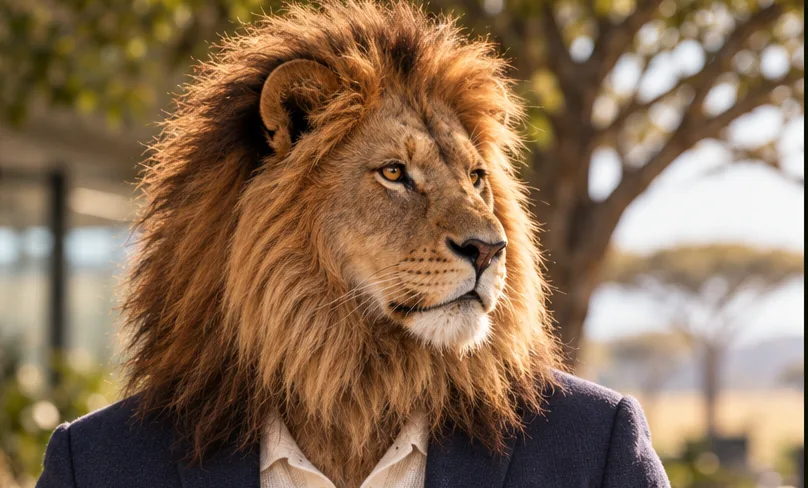
The Lion, the boss

The Boss

The Lion Panthera leo executivus

How to spot one
Arrives last, eats first. One slow nod, and the whole plain changes direction.
Habitat
The corner of every room he enters.
Call
“Love it. Can we make it bigger?”

If it's you: The herd reads every nod. Say out loud what you actually want, before they start guessing.

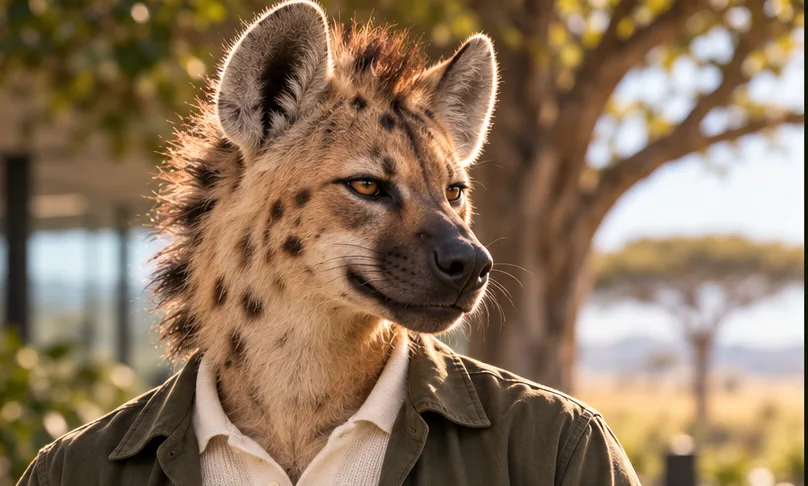
The Hyena, the micromanager

The Micromanager

The Hyena Crocuta managerialis

How to spot one
Within licking distance of the boss, and within breathing distance of your screen.
Habitat
Directly behind your chair.
Call
“A little to the left. Now to the right.”

If it's you: Help that never ends becomes a cage. Hand over one decision this week, and do not touch it.

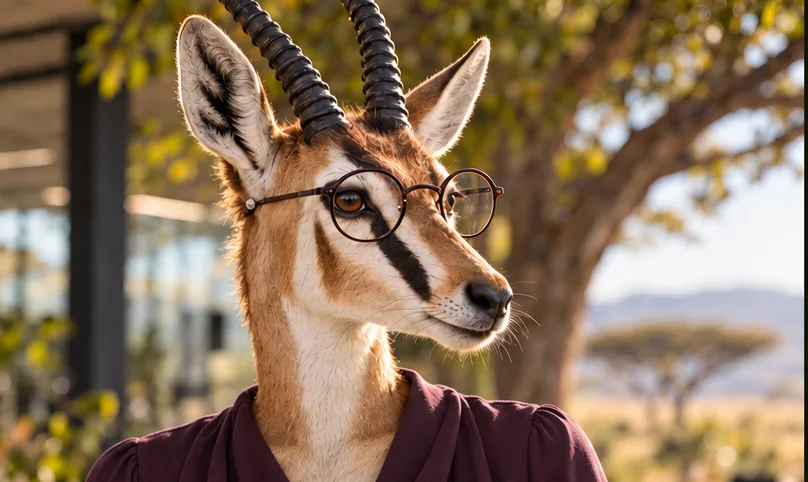
The Gazelle, the quiet achiever

The Quiet Achiever

The Gazelle Gazella productiva

How to spot one
Brings down the prey, and is not mentioned. The work speaks; she rarely does.
Habitat
Wherever the work actually happens.
Call
Silence, then a finished piece of work.

If it's you: Excellent work does not announce itself. Write down what you did, and say it once, plainly.

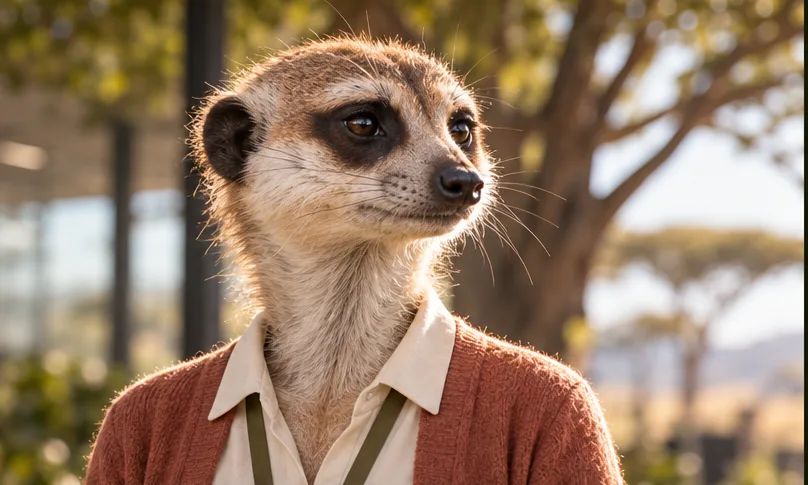
The Meerkat, the sentinel

The Sentinel

The Meerkat Suricata sentinella

How to spot one
Stands upright at the edge of every gathering, listening with deep concern.
Habitat
Halfway between the kitchen and the leadership floor.
Call
The alarm about the kitchen, sent to everyone.

If it's you: People can tell a listening ear from a ledger. Close the loop on one thing you heard.

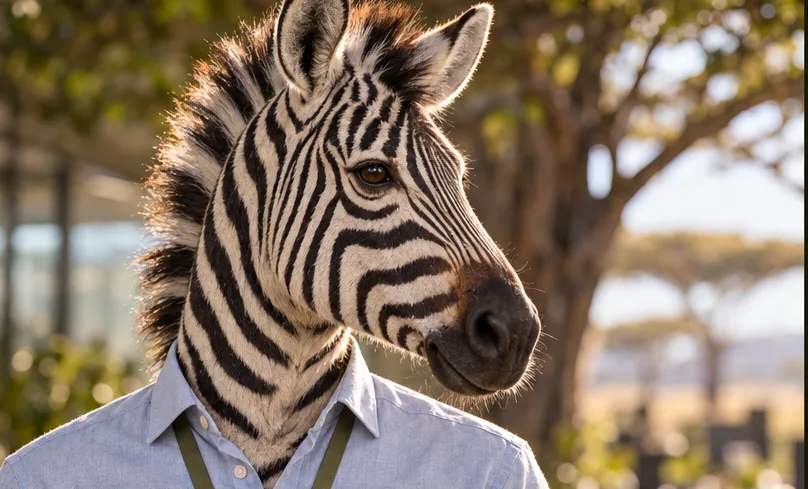
The Zebra, the project manager

The Project Manager

The Zebra Equus quagga gantti

How to spot one
A mustard mug and a plan that did not survive the first meeting. No two stripes alike, no two timelines either.
Habitat
Between two deadlines.
Call
“Quick sync?”

If it's you: The plan is not the project. Protect one hour a day with no status update in it.

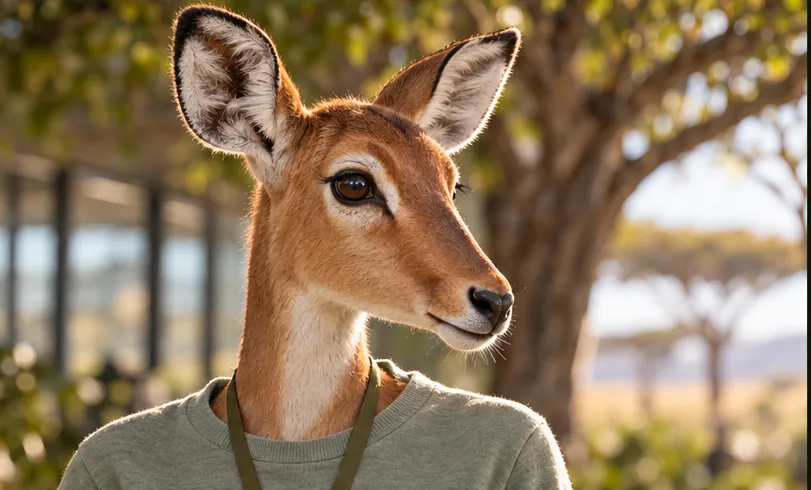
The Impala, the new joiner

The New Joiner

The Impala Aepyceros novus

How to spot one
Hopeful, alert, and still labels its lunch.
Habitat
The desk nobody mentioned.
Call
The question nobody rehearsed.

If it's you: Keep asking. The question that freezes the room is usually the one the room needed.

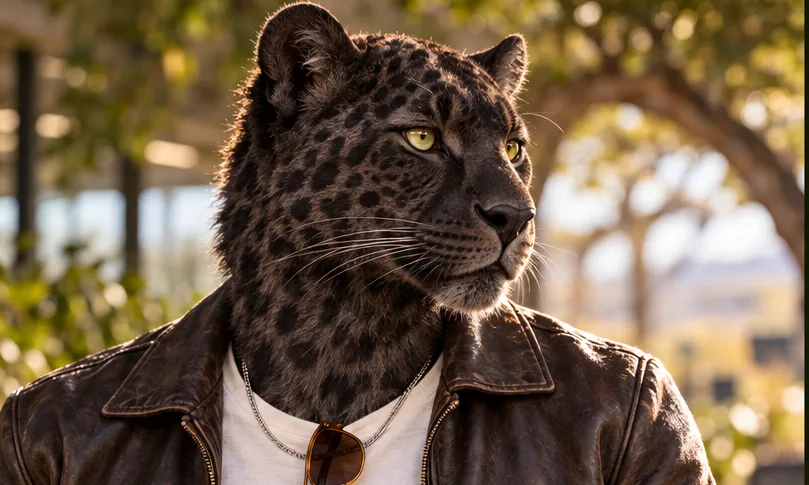
The Black Leopard, the brand visionary

The Brand Visionary

The Black Leopard Panthera pardus brandus

How to spot one
Leather jacket, sunglasses indoors, strong feelings about the typeface.
Habitat
A tree during the hunt; the front row afterwards.
Call
“It needs to pop.”

If it's you: Slept through the hunt? Tell the story beautifully, then credit the gazelle. (We speak from experience.)

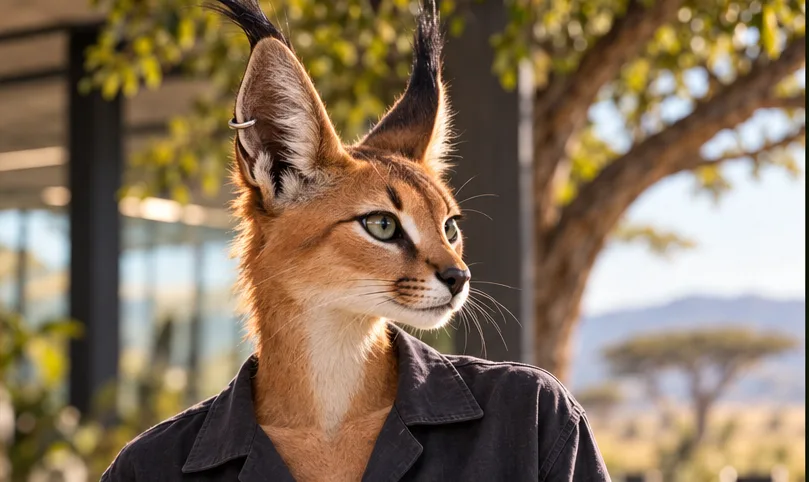
The Caracal, the designer

The Designer

The Caracal Caracal pixelensis

How to spot one
Tufted ears, two monitors, and a long silence before “Sure.”
Habitat
Behind the tablet.
Call
“Can we see it in context?”

If it's you: Show the thinking, not only the pixels. It turns feedback into a conversation.

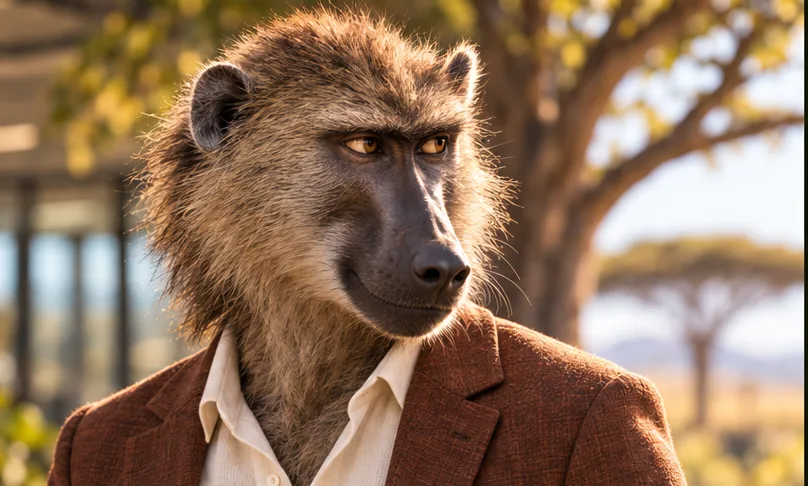
The Baboon, the star hire

The Star Hire

The Baboon Papio politicus

How to spot one
Chest raised, gestures expansive, and the unmistakable scent of somewhere else.
Habitat
The boss's calendar, for about three months.
Call
“At my last company, we…”

If it's you: Ask where the water is before you redraw the map. The elephant knows.

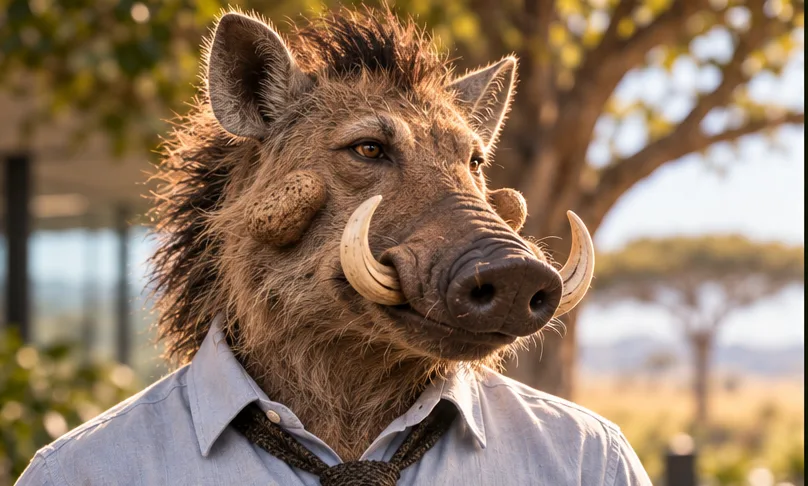
The Warthog, the fixer

The Fixer

The Warthog Phacochoerus operationis

How to spot one
Under the desk among the cables, sleeves rolled, tie loosened.
Habitat
Wherever something just stopped working.
Call
A grunt that means “fixed”.

If it's you: Invisible work stays invisible. Keep a list, and share it before the review, not after.

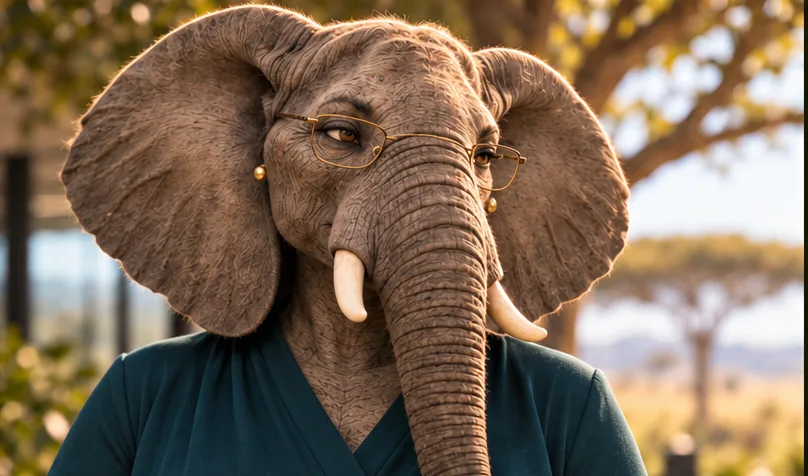
The Elephant, the memory

The Memory

The Elephant Loxodonta memoria

How to spot one
Seventeen dry seasons in the same territory, a battered binder, and a raised trunk nobody heeds.
Habitat
The desk with the old binder.
Call
“We tried that in 2019.”

If it's you: Your memory is the map. Write it down, so the herd can find water without you.

How it's made

Written with AI. Voiced by AI. Directed by a human.

The stories are written by two AIs with names: Claude, the blue man at my bonfire, and Travis. Richard, the narrator, is an AI voice. The pictures and the motion are made with AI tools. The idea, the office and the final call are mine.

I have spent many years in these habitats. I have met every one of these animals, and on a good day I have been most of them.

Written by AI. Voiced by AI. Not less AI, more I.

The AIs have names: Claude, the blue man at my bonfire, and Travis.

The craft is theirs. The office is mine.

How this is made: www.technomystic.ai/essays/watch-my-hands

Roman Balzan